

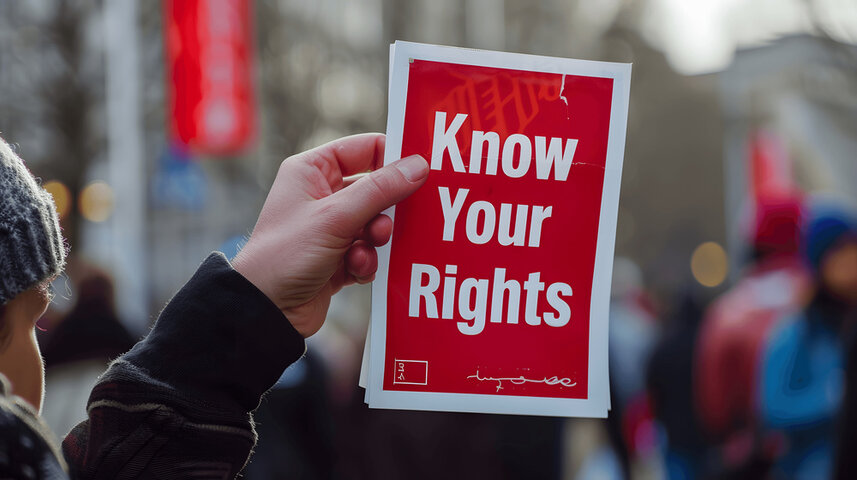
Introduction: Why Knowing Your Rights Matters
In every modern society, the concept of “rights” forms the bedrock of justice, equality, and personal freedom. Yet, many people navigate their daily lives unaware of the full extent of the rights they hold. Whether it’s the right to free speech, the right to privacy, or the right to a fair trial, these entitlements shape the way we live, work, and interact with others. Knowing your rights is not merely a theoretical exercise; it is an empowering force that allows individuals to make informed decisions, protect themselves from exploitation, and advocate effectively for justice.
The Essence of Legal and Human Rights
Human rights are universal principles that apply to all individuals, regardless of nationality, ethnicity, gender, or social status. They are enshrined in key global documents such as the Universal Declaration of Human Rights (UDHR), and they inform the legal frameworks of democratic nations across the globe.
Legal rights, on the other hand, are granted and protected by the laws of specific countries. While they often overlap with human rights, they can vary based on jurisdiction. Together, these two spheres form a powerful mechanism to protect individual freedom and uphold dignity in society.
Core Categories of Rights:
-
Civil Rights: These include rights to personal liberty, freedom of expression, religion, and assembly.
-
Political Rights: The right to vote, run for office, and participate in the political process.
-
Economic, Social, and Cultural Rights: Rights to education, health care, work, and cultural expression.
-
Legal Rights: Protection under the law, right to a fair trial, and freedom from arbitrary detention.
Your Rights in Practice: Everyday Scenarios
While the language of rights can often seem abstract or legalistic, the real value of understanding your rights becomes apparent in everyday contexts. Let’s explore some common situations where knowledge of rights is crucial:
1. At the Workplace
-
Right to a Safe Working Environment: Employers are legally bound to provide safe conditions, proper equipment, and a harassment-free environment.
-
Right to Fair Compensation: Wage laws protect against unpaid labor, underpayment, and unlawful deductions.
-
Right Against Discrimination: Employees cannot be discriminated against based on race, gender, disability, religion, or sexual orientation.
Knowing these rights allows workers to challenge unfair practices and seek redress without fear of retaliation.
2. During Police Encounters
-
Right to Remain Silent: You are not obligated to answer incriminating questions without legal counsel.
-
Right to Legal Representation: If arrested, you have the right to consult with a lawyer before any questioning.
-
Protection Against Unlawful Search and Seizure: Authorities must have a valid warrant or probable cause.
Being aware of these protections can prevent coercion and ensure that legal procedures are followed properly.
3. As a Consumer
-
Right to Information: Clear labeling, advertising, and disclosure of product information are your entitlements.
-
Right to Safety: Products and services should not pose any undue risk to consumers.
-
Right to Redress: If harmed by a faulty product or misleading advertisement, you are entitled to seek compensation.
Understanding consumer rights helps in making informed choices and holding businesses accountable.
Rights and Responsibilities: A Balanced Perspective
Knowing your rights is only one side of the equation. With rights come responsibilities — to respect the rights of others, to obey just laws, and to contribute positively to the community. Rights should not be used as a shield for selfishness but rather as a framework for mutual respect and coexistence.
Consider these examples:
-
Freedom of Speech vs. Hate Speech: While expressing opinions is a fundamental right, inciting hatred or violence is not protected under this freedom.
-
Right to Protest vs. Public Order: Peaceful protest is a cornerstone of democracy, but it must be balanced with the responsibility to maintain order and safety.
How to Stay Informed and Proactive
In an ever-changing legal and political landscape, staying informed about your rights requires intentional effort. Laws evolve, interpretations shift, and societal norms develop. Here are some proactive steps to stay knowledgeable and empowered:
Practical Steps:
-
Read the Constitution and Bill of Rights (in your country): These foundational documents offer a wealth of information.
-
Follow Reputable Legal Resources: Websites such as the American Civil Liberties Union (ACLU), Citizens Advice, or government portals often provide user-friendly legal information.
-
Attend Rights Awareness Workshops: Many organizations and NGOs offer seminars and educational materials tailored to specific communities.
-
Engage with Legal Counsel: When in doubt, consult a lawyer who can provide clear guidance tailored to your situation.
Empowerment Through Collective Action
An informed individual is powerful, but an informed community is transformative. When people collectively understand and assert their rights, social change becomes inevitable. History offers numerous examples — from the Civil Rights Movement in the U.S. to anti-apartheid efforts in South Africa — where awareness of rights led to lasting reforms.
Communities can work together to:
-
Raise awareness about rights through local campaigns.
-
Support marginalized groups in accessing legal protection.
-
Demand accountability from public institutions.
Conclusion: The Courage to Assert
Knowing your rights is not just an intellectual endeavor; it is a call to courage. It means being prepared to speak up when something is unjust, to ask questions when something feels wrong, and to take action when others are silenced. Rights are not given — they are claimed, protected, and exercised through awareness, resilience, and unity.
In the end, the greatest threat to rights is not oppression, but ignorance. In a world where knowledge is power, there is no greater strength than understanding your entitlements and using them wisely. Let this awareness be your armor, your compass, and your voice.

 The Judiciary Law